Feldenkrais Method
Group Awareness Through Movement (ATM) classes and private sessions in San Diego, CA
A gentle, practical way to reduce unnecessary strain and discover what’s possible when old habits loosen their hold.
What makes this different
Many methods focus on relieving symptoms. They often aim to improve movement by stretching, strengthening, correcting, or pushing through limitation.
Feldenkrais asks a different question: Why does the problem keep coming back? Either through verbal guidance or hands-on facilitation, it helps you notice from the inside how you move and carry yourself, rather than working on the body from the outside. This process helps you uncover and change inefficient/problematic muscle activity patterns that you were previously not aware of. Over time that usually means less strain and more coordinated movement.
“I’ve worked with Dmitry since 2018 in both private Feldenkrais sessions and group workshops. His teaching is thoughtful, precise, and deeply attentive, and it has made a lasting difference in my movement and overall well-being.
Dmitry has a rare ability to guide you toward your own discoveries, creating lasting change without force or strain.
I consistently leave his sessions feeling more at ease, aligned, and aware.”
— Carolyn M., writer and dancer
What happens in a session
Feldenkrais lessons are gentle, slow, and exploratory. There's no exercise to repeat or perfect form to achieve. You're guided to try unfamiliar ways of moving and notice what changes: how you're breathing, how much effort something takes, how your balance feels.
The goal is to help you find more efficient, comfortable ways of moving — not to push harder.
Individual Sessions (Functional Integration)
These are one-on-one, hands-on sessions tailored to your needs and interests. You can remain fully clothed, and the work is usually slow and quiet.
There is no need to “do” anything — you can simply rest and notice, while subtle but meaningful changes are introduced. This is an opportunity to let go of effort and a chance to drop the need to be in control at all times.
Sessions can be especially helpful when you want individualized attention, have a specific issue, or want to explore how certain habits are affecting you.
Group Classes (Awareness Through Movement)
These are verbally guided lessons, usually done lying down, sitting, or standing. You explore gentle movement sequences that improve coordination, awareness, and ease. Classes can be a powerful way to learn at your own pace.
They are suitable for many levels of fitness or mobility. The movements may appear subtle, but they often lead to meaningful changes in deeply ingrained patterns, resulting in more efficient and comfortable ways of living.
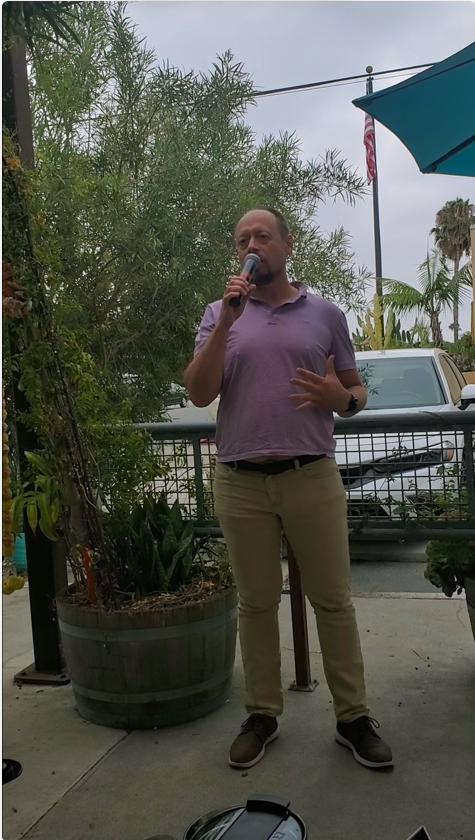
See a short Feldenkrais Lesson in action
Curious what a lesson actually feels like? This short demonstration from a live workshop offers a glimpse into the process and the kinds of changes people sometimes notice.
Individual sessions use the same principles in a personalized, hands-on format. Some people prefer the individualized attention of private sessions, while others enjoy the learning and independence of group classes. Many find that the two complement each other well.
I came in with shoulder tendinitis that made arm movements painful. I was a bit skeptical about the Feldenkrais method at first, but I decided to give it a try.
From the beginning, Dmitry created a calm, safe, and comfortable environment. The session itself was gentle and very subtle but surprisingly effective.
What stood out to me was that we didn't push into pain, yet something shifted. After the session, I noticed a meaningful improvement in how my shoulder felt, and that change persisted over the following days. It wasn’t an instant "cure", but definitely a real shift in the right direction.
— Natalie P., biomedical scientist, PhD
When Feldenkrais may be helpful
Are you dealing with:
persistent pain or tension that doesn’t fully resolve, or recurring injuries or patterns that keep coming back?
stiffness, limited mobility, changes in balance?
stress or overwhelm that shows up physically?
This work is often a good fit if you’ve tried other approaches and found that the results didn’t last.
Or are you:
physically active and want to move better or reduce strain?
returning to activity after injury and looking for a more sustainable way forward?
interested in personal growth, creativity, or discovering new possibilities in how you inhabit your world?
Many people also find that this work changes how they respond to stress — not just physically, but in habits of thought and mood as well. Read more.
If you’re not sure whether this is a good fit, we can figure it out together.
Feldenkrais sessions are available in my studio in UTC area, or in your home (additional charges apply).
If you click the button below, you’ll be taken to my scheduling page to view available times and book your session.
(Sliding-scale options available—feel free to reach out if cost is a concern.)
What helps this work?
Curiosity and willingness to slow down often help people get the most out of sessions.
The work is gentle and exploratory, not forceful. Sometimes the change is immediate and obvious; other times it builds gradually over days.
You don’t need prior experience, flexibility, or athletic ability — just openness to paying attention to your experience.
Frequently Asked Questions
Have questions? You may find an answer in this section - and if not, feel free to reach out.
-
No. Feldenkrais is accessible to people with many different levels of mobility and ability. We work gently, within your current range, and explore what new possibilities can emerge without forcing or pushing.
-
Not for Feldenkrais — sessions are done fully clothed, ideally in loose, comfortable clothing.
For bodywork, you may remain clothed or disrobe to your level of comfort. In all cases, strict professional draping is used for any areas not being worked on.
-
Yes. Feldenkrais can be adapted for people living with chronic pain, and we do our best to make sessions as comfortable and pain-free as possible. We work gently and slowly, and you are encouraged to listen to your body throughout. The goal is never to push into pain or discomfort, but to explore ways of moving with less strain and more ease.
-
In Feldenkrais, movement is usually slow, subtle, and exploratory. That makes it very different from ordinary activity or exercise. It gives you a chance to notice habits that usually stay below awareness and discover more efficient, coordinated, and comfortable ways of moving.
For people who are already active, this can be especially valuable. It is an opportunity to refine the quality of movement, reduce unnecessary effort, and often find more ease and sustainability in familiar actions.
-
No. Contrary to common belief, the ability to learn and change does not disappear with age. Feldenkrais works with the nervous system’s capacity to discover new options, and people are often surprised by what becomes possible.
It helps to come with curiosity rather than judgment — with a beginner’s mind, open to noticing small differences and discovering what may change.
-
Feldenkrais and yoga may share some intentions, but they differ in both philosophy and practice. Yoga often emphasizes poses, flexibility or achieving a certain form, while Feldenkrais focuses more on how movement is organized and experienced from within — how you use effort, connect to the ground, coordinate different parts of the body, and relate movement to breathing.
The goal is not to stretch muscles or push for greater range, yet many people find that their comfort, coordination, and range of motion improve over time.
Feldenkrais is also highly adaptable and suitable for many levels of mobility. Because the work is based on awareness and learning, rather than forcing change, many people find the changes feel more integrated and longer-lasting.
-
Feldenkrais and physical therapy may have some overlapping goals, but they work differently. Physical therapy often focuses more directly on a specific injury, symptom, or area of dysfunction. Feldenkrais looks at how the whole person organizes movement, effort, posture, and coordination.
Rather than prescribing exercises or working through discomfort, Feldenkrais uses gentle movement and awareness to help the nervous system discover more efficient and comfortable ways of functioning. This can support healing, reduce unnecessary strain, and improve ease in everyday movement. The emphasis is on working more intelligently, not more forcefully.
-
Pilates and many other exercise programs often focus on building strength, endurance, and control. These can be very valuable, but they do not automatically lead to the ease, coordination, or balance that Feldenkrais emphasizes.
If someone is already moving with unnecessary strain or inefficient habits, more effort and repetition may simply reinforce those same patterns. Feldenkrais takes a different approach: instead of adding effort first, it helps you become aware of how you are organizing movement and discover more efficient options.
As coordination improves, strength and flexibility can be used more intelligently. The result is often greater ease, less strain, and the ability to do more with less effort. Feldenkrais can also work very well alongside athletic training.
-
Massage and Feldenkrais can both be deeply relaxing, but they work in different ways. Massage usually works more directly with muscles and soft tissue, helping reduce tension and create relief in the moment. For many people, that relief is valuable but tends to be temporary, because the underlying habits of movement, posture, and effort often remain unchanged.
Feldenkrais focuses less on the muscles themselves and more on the patterns through which the nervous system organizes movement. As those patterns change, tension often decreases more naturally at its source, and the effects may carry over more directly into everyday life.
Another important difference is that Feldenkrais does not rely on pressure or pushing through discomfort. The work is typically gentle, slow, and non-invasive, which can make it especially helpful for people who are already in pain or whose nervous system is in a heightened state.
The result is not only relaxation, but often greater ease, efficiency, and grounding in how you move and function.
-
Feldenkrais is a movement-based method. It works through gentle movement and attention, helping you notice patterns of posture, effort, and coordination, and discover new options for how you move and function.
People often describe the effects as both relaxing and grounding. Feldenkrais does not usually frame this in metaphysical terms such as energy, chi, or ki. Instead, it works through awareness and movement. That said, some people do experience the sessions as energetically balancing.
-
It depends on your goals, history, and what you’re hoping to change. Many people notice meaningful effects even after one session, while deeper or longer-standing patterns may benefit from a series of sessions
-
That depends on your goals, budget, and the level of individual attention you need. For many people, private sessions bring faster and more targeted results, while classes are a great way to build awareness and continue the process. If possible, the two can complement each other very well.
-
Sessions are available in several locations across San Diego. After booking, I’ll help you choose the one that’s most convenient.
In-home sessions are also available for an additional fee.
-
Yes, a limited number of sliding scale priced sessions is available to make this work accessible to those with limited incomes. . Contact us dmitrypek@gmail.com to discuss the details.
-
More information is available here.